

Avro Type 698 · 1952–1984
Britain’s delta-wing bomber, and the radar that aimed it
The Vulcan Archive is a free reference on the Avro Vulcan: how it was designed, how its Navigation and Bombing System worked, and the missions that defined the V-Force — from Quick Reaction Alert to Operation Black Buck.
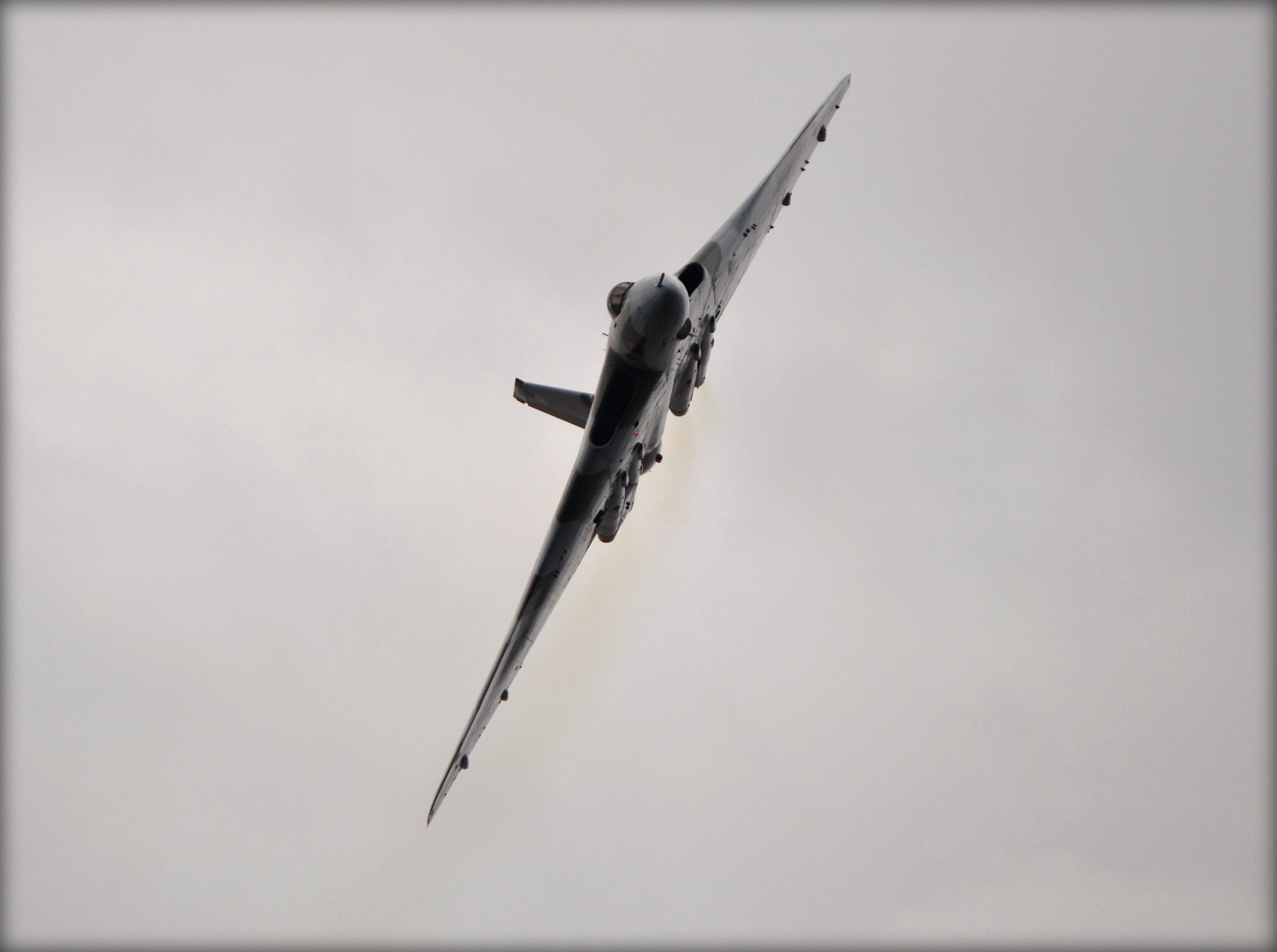
XH558 over Farnborough, 11 October 2015. Photograph: Alastair Barbour, CC BY-SA 2.0.
Start here
Four ways into the Vulcan
This is an aircraft resource, not a product catalogue. Use the sections below as a reading map — each hub opens into longer articles, diagrams and museum-side notes.
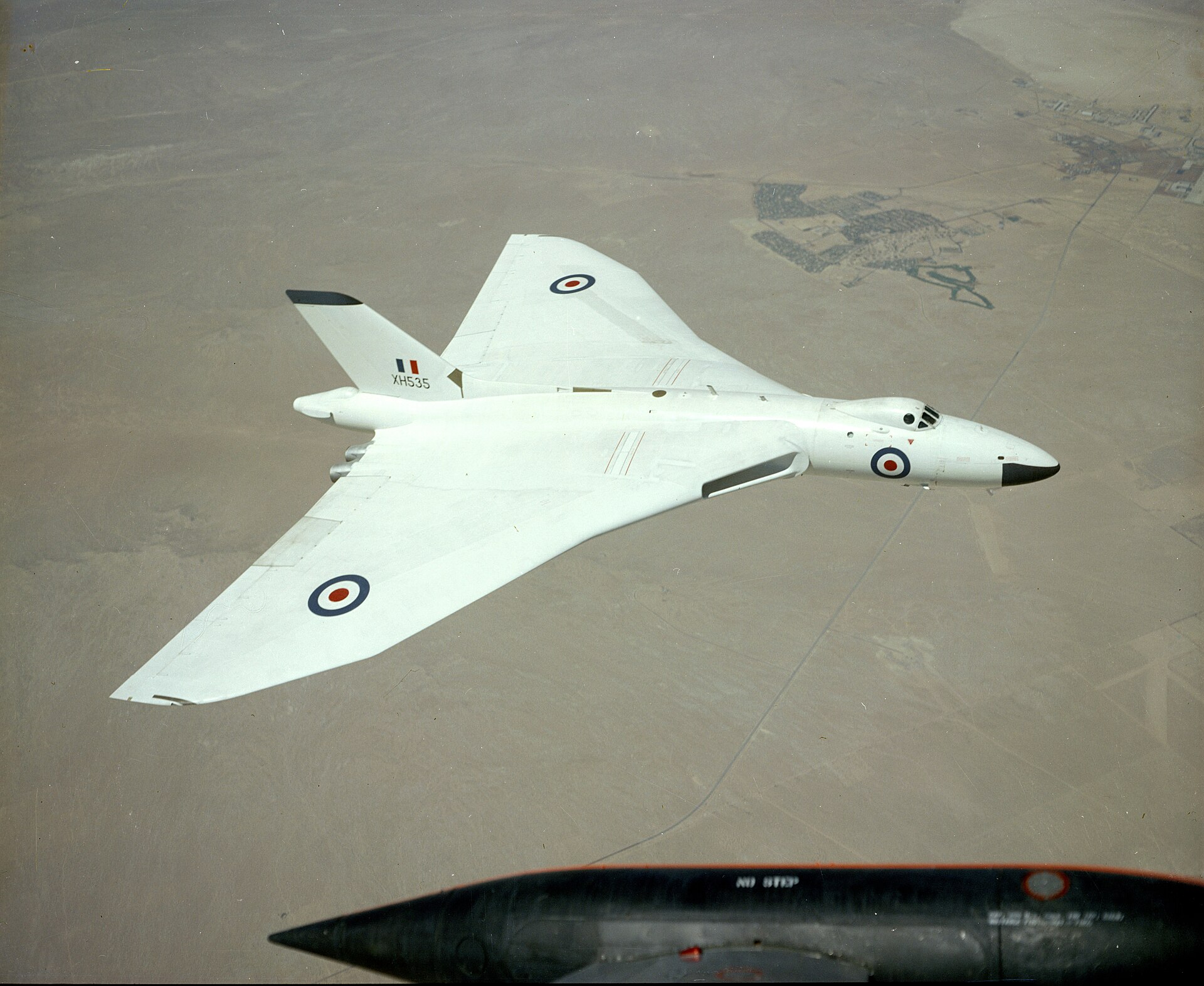
History
From Roy Chadwick’s Type 698 to the V-Force, low-level recasting, and the long afterlife of preserved airframes.
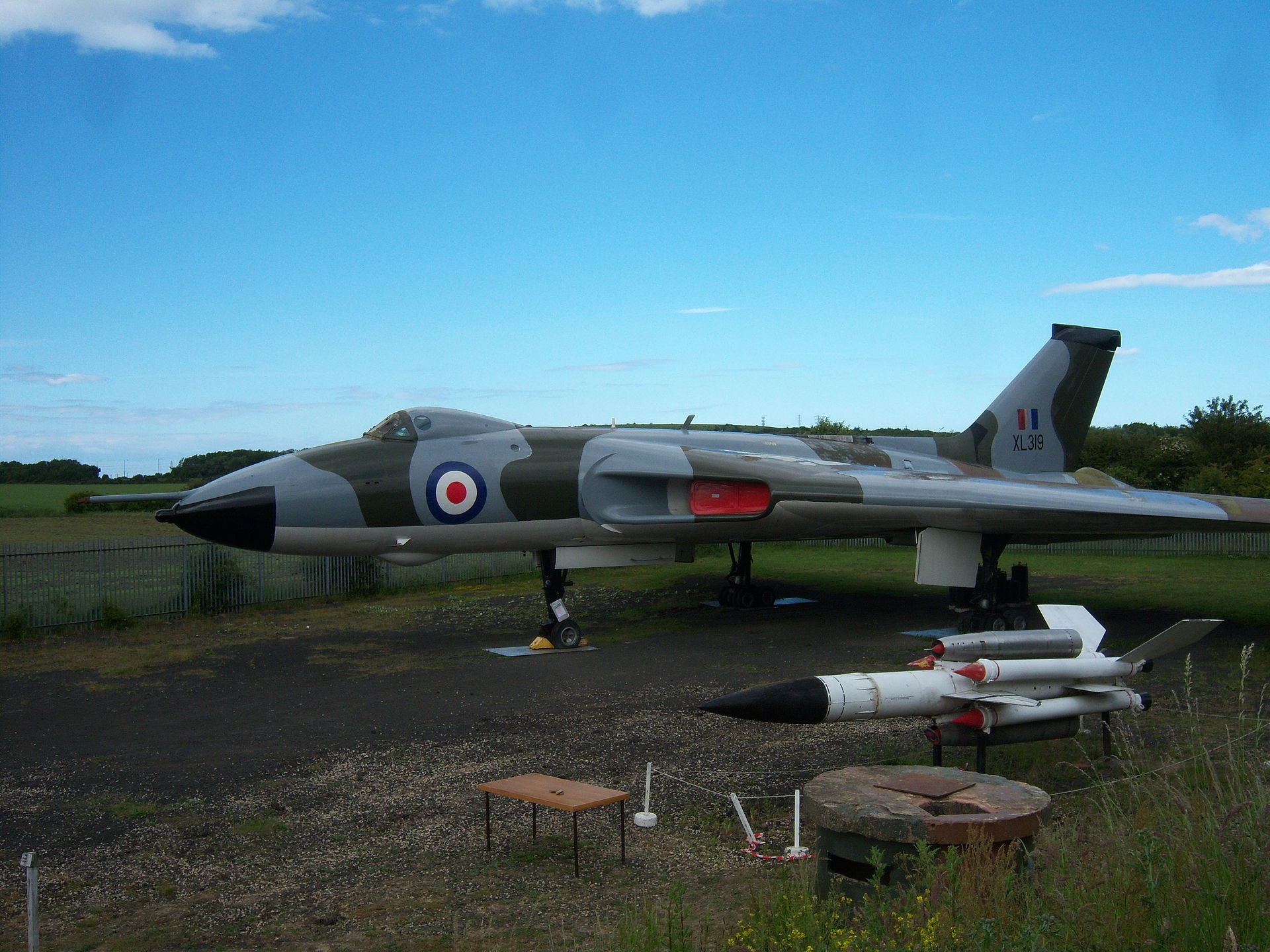
Radar systems
H2S and the Navigation and Bombing System, terrain-following radar, Green Satin Doppler, Red Steer and the ECM suite.
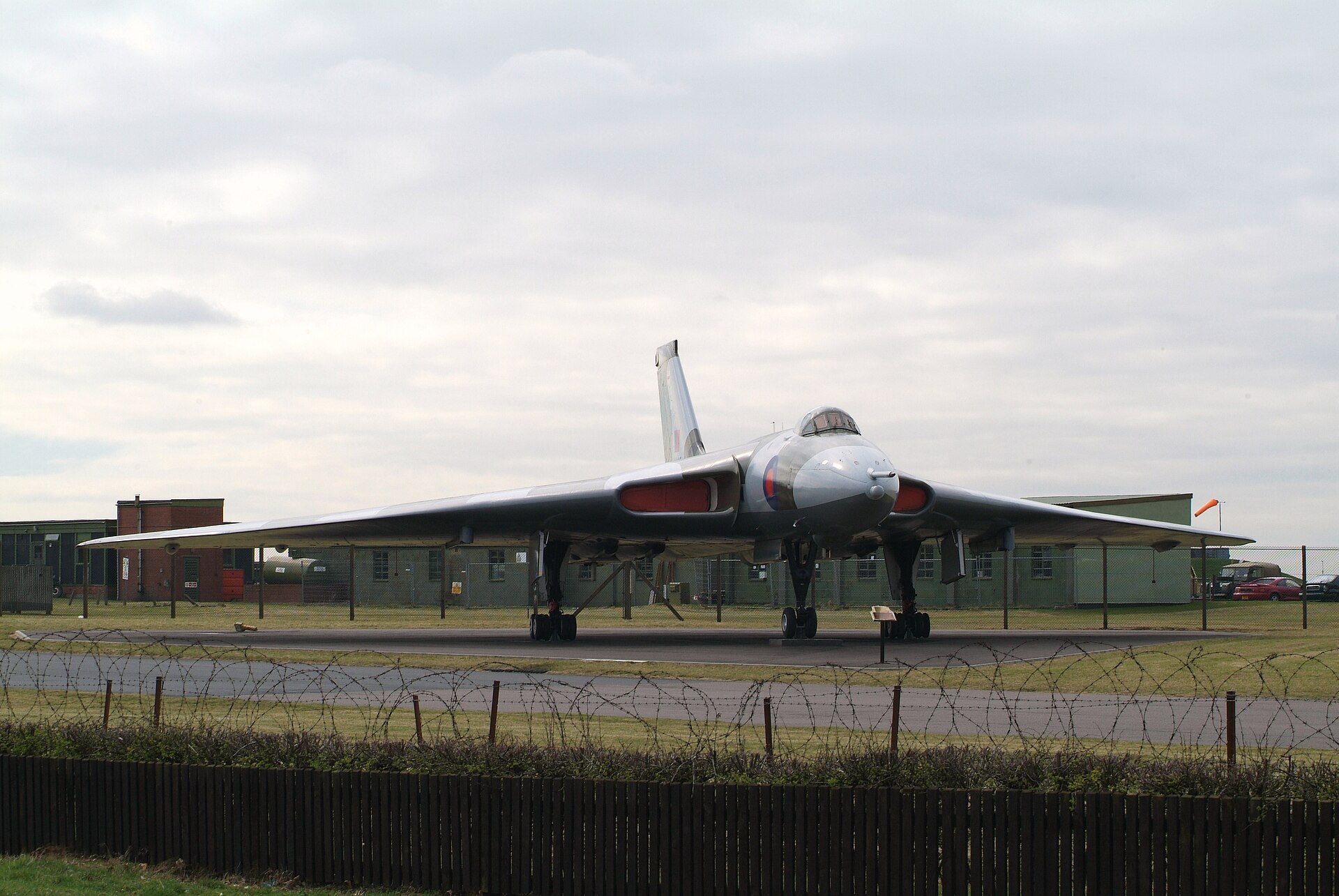
Missions
Nuclear QRA, Blue Steel, maritime radar reconnaissance, and the Falklands Black Buck raids from Ascension Island.
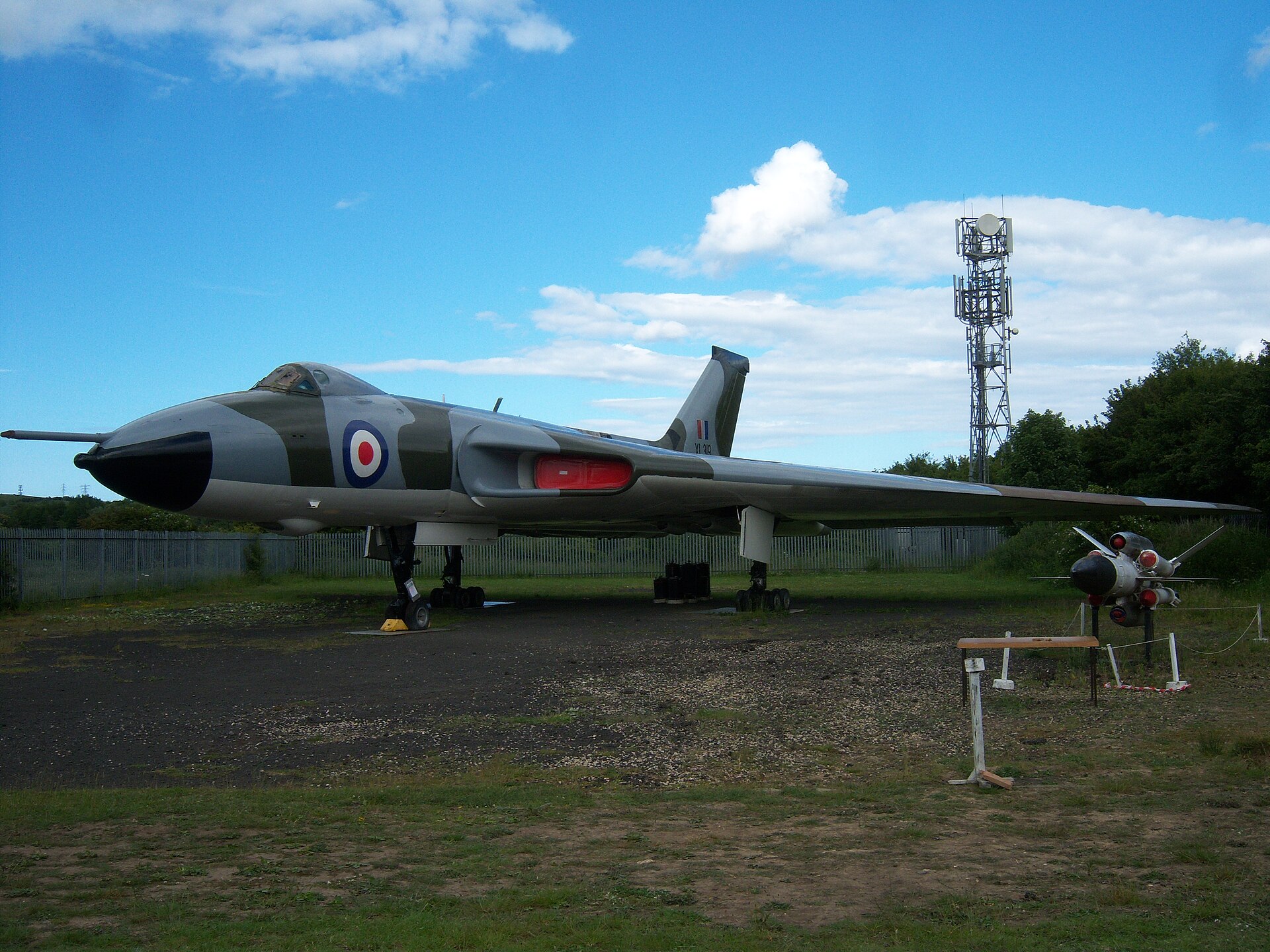
Guides
Variants, squadrons and bases, how to read serials, and where you can still stand under a Vulcan in the UK.
Articles
How the delta wing flew, why the force went from high altitude to low level, and how Vulcan compared with Valiant and Victor.
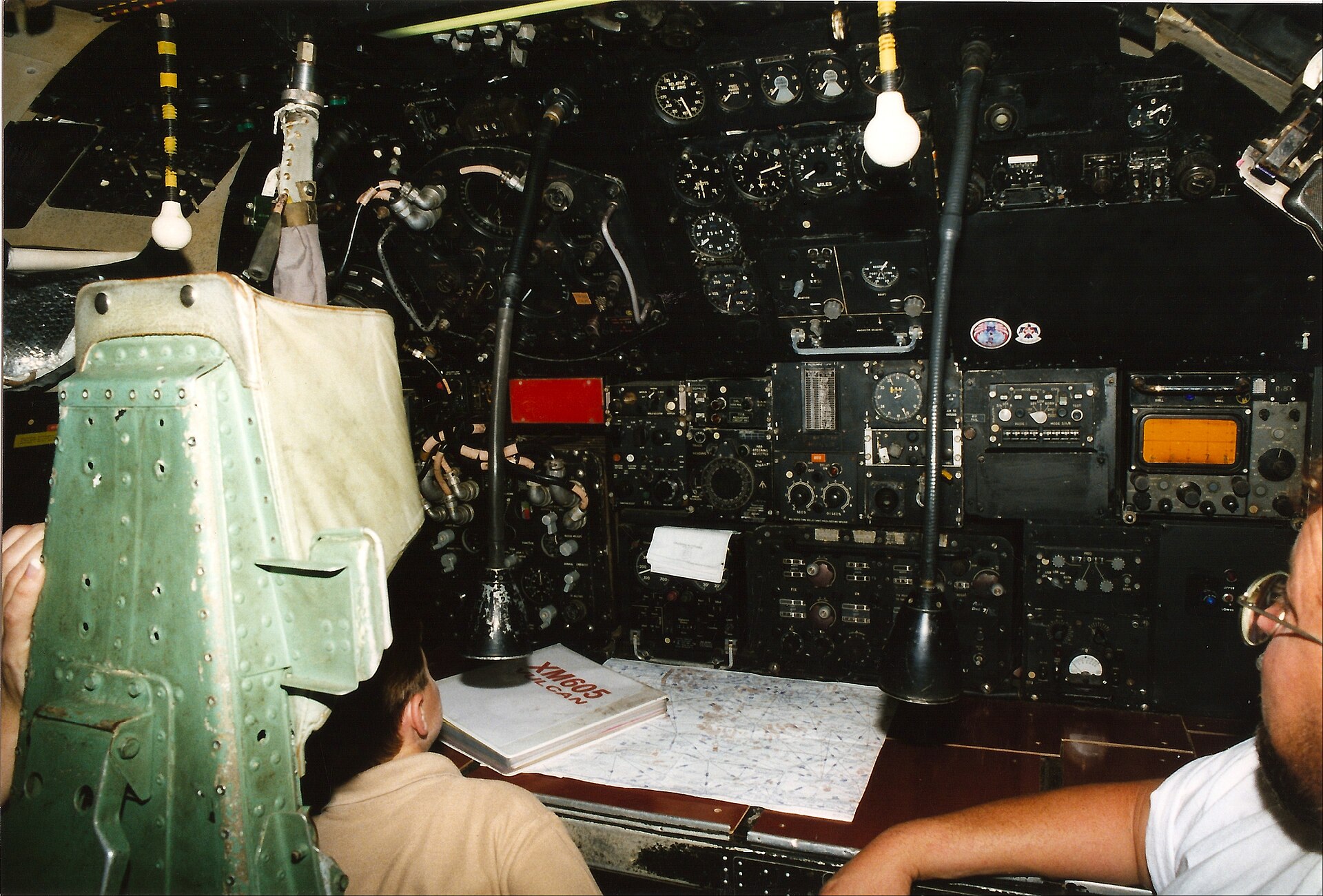
Inside the radar plot
The Navigator Radar, Navigator Plotter and Air Electronics Officer ran a Cold War office in the dark behind the pilots.
Radar in brief
A bomber that navigated by microwave
The Vulcan’s public shape is the delta. Its operational brain was a cluster of radars and analogue computers. The large nose radome held H2S for ground mapping; a later thimble added terrain-following; the tail cone watched backwards.
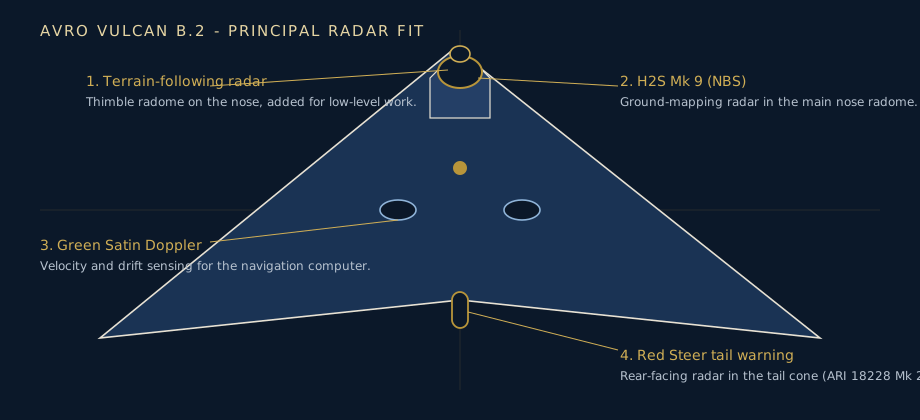
Original diagram for this archive. See the radar systems overview for how each set was used in the crew of five.
Featured mission
Black Buck and XM607
On 1 May 1982 a Vulcan of No. 44 Squadron, flown from Wideawake on Ascension Island, dropped twenty-one 1,000 lb bombs on Port Stanley airfield. The raid — Operation Black Buck 1 — remains the type’s best-known wartime sortie: a conventional bombing run made possible by air-to-air refuelling, a surviving H2S picture, and crews trained for a nuclear role they were never asked to fly.
Recent reading
- Design and development of the Avro Vulcan Type 698, the 1952 first flight, B.1 to B.2, and why the delta won the specification.
- Terrain-following radar on the Vulcan B.2 The nose thimble, low-level recasting in the 1960s, and how TFR sat beside H2S.
- Where to see a Vulcan in the UK Gate guardians, museum airframes, and the three aircraft that still move under their own power on the ground.
- From 50,000 feet to the weeds How Soviet SAMs forced the V-Force down, and what that did to radar, paint and tactics.